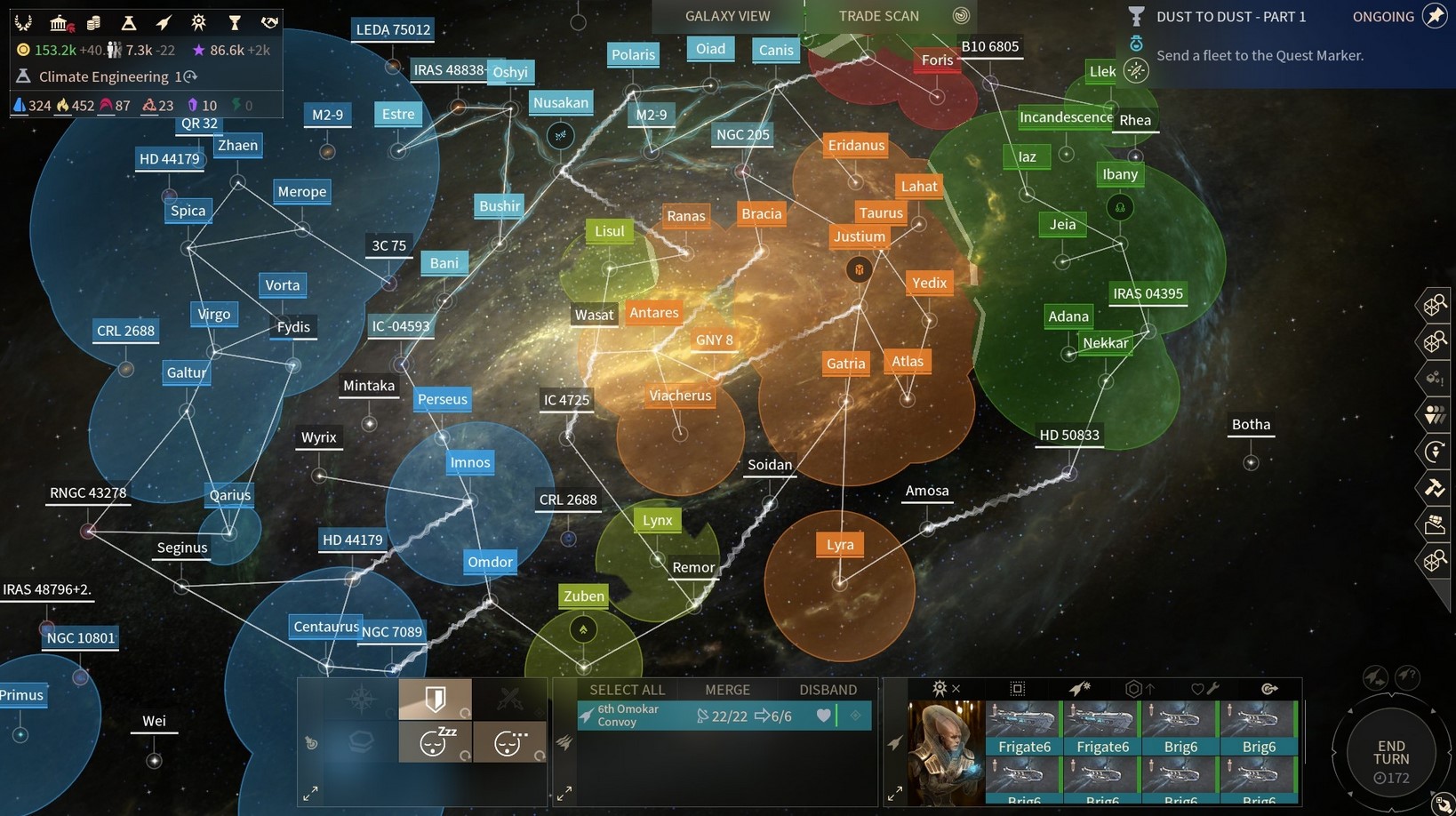
Turn based space strategy games offer a rare blend of patience, precision, and long-term vision. In an era dominated by real-time action and instant feedback, these titles stand apart—demanding careful planning, resource foresight, and diplomatic nuance. For PC gamers who thrive on thoughtful decision-making, the genre delivers some of the most rewarding experiences in modern strategy gaming.
These aren’t games where reflexes win battles. Victory comes from out-thinking, not out-clicking. Every move—colonizing a distant planet, researching a new propulsion system, or forging an alliance—ripples across decades of simulated time. The best turn based space strategy games turn the cosmos into a sprawling chessboard, where empires rise and fall based on strategy, not speed.
Why Turn Based Space Strategy Still Matters
Real-time strategy games dominate headlines, but turn based space titles hold a distinct advantage: depth over distraction. Without the pressure of incoming missile barrages or micro-managing unit movements in real time, players focus on macro-level decisions—expansion, research trees, political maneuvering, and long-term fleet composition.
This design favors deliberate play. You can pause, assess, weigh diplomatic options, and simulate outcomes before committing. That makes these games ideal for players with limited play sessions—30 minutes between meetings can still yield meaningful progress. Unlike their real-time counterparts, turn based games rarely punish you for stepping away.
Still, the genre isn’t without pitfalls. Many suffer from bloated late-game turns, where managing dozens of star systems becomes a chore. Others lean too heavily on repetitive "spread, build, conquer" loops. The best avoid these traps by introducing asymmetrical factions, dynamic events, or meaningful crisis systems.
Master the Galaxy: Top Turn Based Space Strategy Games for PC
The following titles represent the peak of the genre in 2024. Each combines solid mechanics, engaging progression, and enough variation to justify repeated playthroughs. Whether you're a 4X veteran or new to space empires, these are the games worth your time.
1. **Stellaris: Apex of
Scale and Story**
Paradox Interactive’s Stellaris dominates the modern turn based space strategy landscape—not because it’s turn based in the classical sense, but because it offers pausable real-time with turn-like depth. While technically real-time with pause (RTwP), its pacing, decision density, and strategic layering make it function like a turn based experience for most players.
Key strengths: - Dynamic storytelling: Random events, crises, and anomalies keep each playthrough unique. - Massive customization: Species, ethics, government types, and ascension perks allow for wildly different campaigns. - Diplomatic depth: Federations, trade agreements, and warfare justifications add layers beyond conquest.
However, newcomers often mismanage early expansion, overextending across poorly defended systems. Tip: Focus on stabilizing your core worlds before launching deep-space colonies. Use science vessels to map nearby systems early—they’re cheap and critical.
2. **Master of Orion: The Grandfather
Reborn**
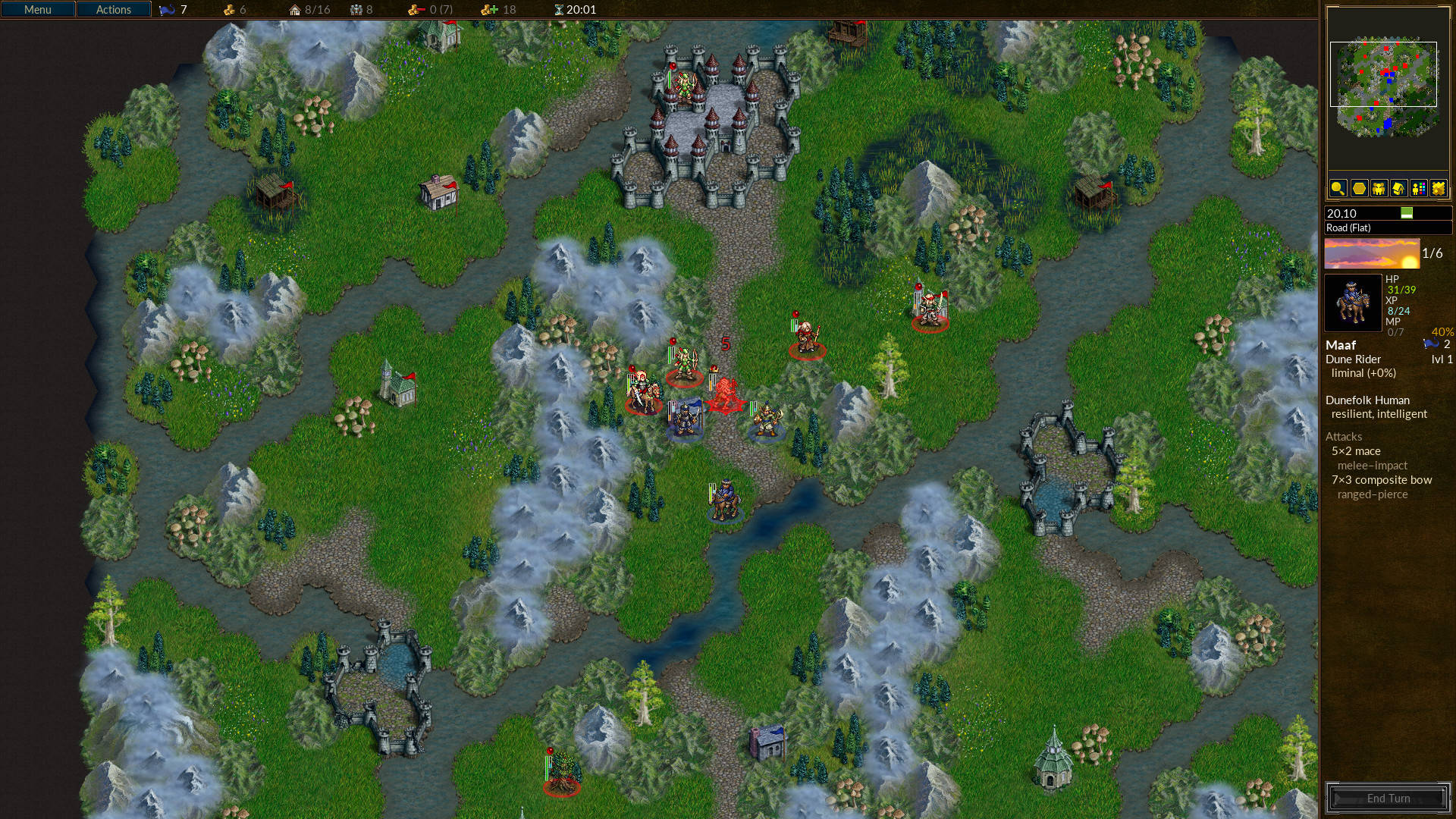
The 2016 remake of Master of Orion modernized the 1993 classic without losing its soul. It’s one of the few true turn based space strategy games on PC, with discrete phases for movement, combat, and diplomacy.
What makes it stand out: - Turn based combat: Fleet engagements occur in isolated tactical battles after movement. - Faction uniqueness: Each alien race has distinct abilities and tech paths. - Clean UI: Modern interface without sacrificing depth.
A common mistake? Ignoring planet specialization. Early on, designate worlds for research, industry, or food—don’t spread upgrades evenly. Also, avoid naval arms races with neighbors unless you have economic superiority.
3. **Civilization: Beyond Earth – Orbital
Ambitions**
Though overshadowed by its Earth-bound sibling, Civilization: Beyond Earth carved a niche with its sci-fi theme and affinity system. It’s turn based at its core, with hex-based exploration and empire management set on alien worlds.
Notable features: - Affinity paths: Players align with Supremacy, Purity, or Harmony, unlocking unique units and visuals. - Quest-based progression: Story missions guide technological advancement. - Orbital layer: Satellites provide global bonuses and tactical strikes.
Limitations exist—AI behavior can feel predictable, and late-game pacing drags. Still, for Civ fans wanting a space-faring twist, it remains a strong choice, especially with the Rising Tide expansion.
4. **Galactic Civilizations IV: Design
Meets Depth**
Galactic Civilizations IV refined its predecessor’s formula with improved AI, better visuals, and enhanced late-game management. It’s a true turn based 4X title, where each round advances all empires simultaneously.
Standout mechanics: - Adaptive AI: Rivals adjust strategies based on your actions. - Victory variety: Cultural, diplomatic, economic, and scientific wins—not just military conquest. - Ship designer: Create custom vessels with modular components.
One underused feature? The influence system. Instead of declaring war immediately, invest in political influence to destabilize rivals or flip their colonies peacefully. It’s slower, but often more sustainable.
5. **Endless Space 2: Where Narrative
Meets Strategy**
Developed by Amplitude Studios, Endless Space 2 is a turn based space strategy gem that blends rich storytelling with deep empire mechanics. It ditches the sterile spreadsheets of older 4X games for a vibrant, character-driven experience.
Strengths: - Faction narratives: Each playable race has a story arc that unfolds over time. - Victory congress: Diplomacy can lead to coalition victories. - Victory diversity: Seven unique win conditions, including scientific enlightenment and political dominance.
Watch for economic traps. Some players prioritize fleet size early, only to crumble under maintenance costs. Balance ship counts with income streams—taxes, trade routes, and luxury resources matter.
Choosing the Right Game for Your Playstyle
Not all turn based space strategy games suit every player. Your preference for complexity, narrative, or replayability should guide your pick.
| Game | Best For | Ideal Play Session | Learning Curve |
|---|---|---|---|
| Stellaris | Deep simulation, endless variety | 1–2 hours | Steep |
| Master of Orion | Classic turn based mechanics | 30–60 mins | Moderate |
| Beyond Earth | Civ fans exploring sci-fi | 1–1.5 hours | Moderate |
| Galactic Civilizations IV | Strategic depth, AI challenge | 1–2 hours | Moderate |
| Endless Space 2 | Narrative, visual polish | 45–90 mins | Moderate to high |
If you value tight, discrete turns and tactical combat, go with Master of Orion. If you want emergent storytelling and massive scale, Stellaris or Endless Space 2 are better fits.
Common Pitfalls—and How to Avoid Them
Even experienced players stumble in space strategy. Recognizing these traps improves gameplay:
- Overexpansion: Claiming too many systems early drains administration capacity. Wait until you have adequate governors or administrative upgrades.
- Tech imbalance: Skipping economy or defense techs for flashy weapons leads to fragile empires. Balance your research tree.
- Ignoring espionage: In games like Galactic Civilizations IV, spies can sabotage research or steal blueprints. Allocate some science to covert operations.
- Diplomacy neglect: Hostile neighbors multiply threats. Use trade, non-aggression pacts, or federations to isolate common enemies.
One overlooked tactic: use neutral systems as buffer zones. In Endless Space 2, positioning your colonies near asteroids or nebulae can block enemy fleet paths—natural chokepoints without firing a shot.
Expansions and Mods That Elevate the Experience
The longevity of these games often hinges on post-launch support.
- Stellaris thrives on DLCs like Overlord and Federations, which add strategic depth. Community mods like Le Fluffie’s Stellaris Overhaul (LSO) rebalance the entire game.
- Endless Space 2 benefits from the Vengeance expansion, introducing hero units and warfare depth.
- Master of Orion gains replayability through mods that add new races, weapons, and events.
Always back up save files before installing mods. Some overhauls alter game mechanics so drastically that older saves become incompatible.
The Future of Turn Based Space Strategy
The genre is evolving. Newer titles experiment with asynchronous multiplayer, procedural storytelling, and hybrid mechanics. Upcoming games like Distant Worlds 2 and Sword of the Stars: Remastered suggest a resurgence of interest in thoughtful, turn-driven galactic conquest.
AI improvements will be pivotal. Current opponents often follow predictable scripts. The next leap—adaptive, learning AI that mirrors human strategy—is on the horizon, potentially transforming how we engage with these games.
Final Verdict: Where to Begin
For newcomers, start with Master of Orion or Endless Space 2. Both offer guided learning curves, clear feedback, and manageable scope. Veterans seeking complexity should dive into Stellaris or Galactic Civilizations IV.
Turn based space strategy games on PC aren’t about speed—they’re about significance. Each decision carries weight. Each campaign tells a story. And in a gaming landscape obsessed with instant gratification, that kind of depth is worth protecting.
Choose your empire. Chart your course. And remember: in the void of space, the most powerful weapon isn’t a dreadnought—it’s foresight.